Buy dirklindebaum.eu ?
We are moving the project
dirklindebaum.eu .
Are you interested in purchasing the domain
dirklindebaum.eu ?
domain@kv-gmbh.de · 0541-91531010
Buy dirklindebaum.eu ?
Sigmund Freud Children
Sigmund Freud had six children with his wife Martha Bernays. Their names were Mathilde, Anna, Oliver, Ernst, Sophie, and Lucian. Freud's relationship with his children was complex, as he was often preoccupied with his work and struggled with health issues. Despite this, his children went on to have successful careers in various fields, including psychoanalysis, law, and politics. **
'Sigmund Freud Works'
Sigmund Freud was an Austrian neurologist and the founder of psychoanalysis. He developed a theory of the unconscious mind and the role of childhood experiences in shaping adult behavior. Some of his most famous works include "The Interpretation of Dreams" and "Civilization and Its Discontents." Freud's ideas have had a lasting impact on psychology and continue to be studied and debated to this day. **


Similar search terms for Sigmund
Top-Angebote
Products related to Sigmund:
-
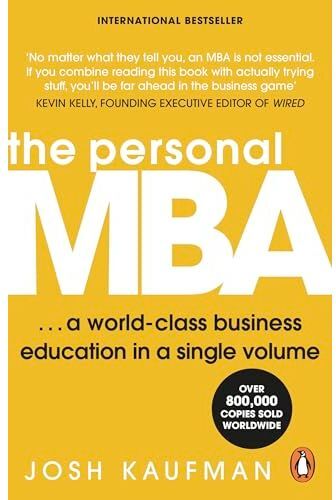
Penguin The Personal MBA: The bestselling business book containing you everything you need to know about marketing, management and leadershipARE YOU TEMPTED TO GO TO BUSINESS SCHOOL? SAVE YOUR MONEY AND READ THE PERSONAL MBA INSTEAD. This bestselling business classic gives you everything you need to transform your business and your career. An MBA at a top business school is an enormous investment in time and cash. And if you don't want to work for a consulting firm or an investment bank, the chances are it simply isn't worth it. The Personal MBA gives you simple mental models for every subject that's key to commercial success. From the basics of products and marketing to the nuances of teamwork and systems, this book distils everything you need to know to take on the MBA graduates and win.10,99 £*Shipping: 2,99 £Secure redirect to the provider
-
Who was Sigmund Freud?
Sigmund Freud was an Austrian neurologist and the founder of psychoanalysis, a clinical method for treating psychopathology through dialogue between a patient and a psychoanalyst. He is best known for his theories on the unconscious mind, the role of childhood experiences in shaping adult personality, and the development of defense mechanisms. Freud's work has had a profound influence on psychology, psychiatry, and the broader field of mental health. **
-
What is Sigmund Freud's pedagogy?
Sigmund Freud's pedagogy, also known as psychoanalytic pedagogy, focuses on understanding the unconscious motivations and desires that influence a person's behavior and learning. Freud believed that early childhood experiences and unconscious conflicts play a significant role in shaping an individual's personality and learning style. His pedagogy emphasizes the importance of exploring and addressing unconscious thoughts and emotions in order to promote self-awareness, personal growth, and effective learning. Freud's theories have had a lasting impact on the field of psychology and education, influencing approaches to teaching, learning, and child development. **
-
Is Sigmund Freud a philosopher?
Sigmund Freud is often considered a philosopher due to his significant contributions to the field of psychology and his development of psychoanalytic theory. While Freud was primarily a psychologist and neurologist, his work delved into philosophical questions about the nature of the mind, human behavior, and the unconscious. His ideas about the role of the unconscious, the influence of early childhood experiences, and the nature of human desires have had a profound impact on philosophical thought, making him a figure of interest to philosophers as well. Therefore, while Freud is not traditionally categorized as a philosopher, his work has had a significant philosophical influence. **
-
Was Sigmund Freud a good psychologist?
Sigmund Freud is considered one of the founding figures of modern psychology, known for his groundbreaking theories on the unconscious mind, psychoanalysis, and the structure of the mind. While some of his ideas have been criticized and revised over time, his contributions to the field of psychology have had a lasting impact. Freud's work paved the way for further exploration into the complexities of human behavior and the development of various therapeutic techniques. Overall, Freud's influence on the field of psychology cannot be denied, making him a significant figure in the history of psychology. **
What is Sigmund Freud's structural model?
Sigmund Freud's structural model of the psyche consists of three main components: the id, the ego, and the superego. The id represents the instinctual and primal desires, operating on the pleasure principle. The ego is the rational and conscious part of the mind, mediating between the id and the external world, operating on the reality principle. The superego represents the internalized moral and societal standards, striving for perfection. According to Freud, the interplay and conflict between these three components shape an individual's personality and behavior. **
Why is Sigmund Freud still mentioned?
Sigmund Freud is still mentioned because he is considered the father of psychoanalysis and his theories have had a significant impact on the field of psychology. His ideas about the unconscious mind, defense mechanisms, and the role of early childhood experiences in shaping personality continue to be influential in understanding human behavior. Additionally, Freud's work has also had a lasting impact on popular culture, with concepts such as the Oedipus complex and Freudian slips being widely recognized. Despite criticisms and developments in the field of psychology, Freud's ideas continue to be relevant and continue to be discussed and debated. **
Top-Angebote
Products related to Sigmund:
-
Pan Macmillan Radical Candor by Kim Scott The Bestselling Leadership Book - Management, Feedback & Workplace Culture BookRadical Candor by Kim Scott is a groundbreaking leadership and communication guide that teaches how to give feedback effectively, build trust, and create high-performing teams without becoming harsh—or avoiding difficult conversations. Based on Scott’s experience at Google, Apple and Silicon Valley startups, Radical Candor introduces a simple but powerful framework built on two pillars: Care Personally Challenge Directly The book provides practical tools for giving honest feedback, fostering open communication, strengthening working relationships, and becoming a more compassionate and impactful leader. Perfect for managers, team leaders, HR professionals, and anyone wanting to build a healthy, productive workplace culture. Radical Candor is the perfect handbook for those who are looking to find meaning in their job and create an environment where people love both their work and their colleagues, and are motivated to strive to ever greater success.2,99 £*Shipping: 1,99 £Secure redirect to the provider
-
Harvard Business Review Press Harvard Business Review HBR’s 10 Must Reads 5 Book Collection Set – Essential Business, Leadership & Management GuidesHBR's 10 Must Reads 5 Books Collection Set Description On Emotional Intelligence If you read nothing else on emotional intelligence; read these 10 articles by experts in the field. We euro; ve combed through hundreds of articles in the Harvard Business Review archive and selected the most important ones to help you boost your emotional skills euro; and your professional success. Mental Toughness If you read nothing else on mental toughness; read these ten articles by experts in the field. We've combed through hundreds of articles in the Harvard Business Review archive and selected the most important ones to help you build your emotional strength and resilience--and to achieve high performance. The Essentials Change is the one constant in business; and we must adapt or face obsolescence. Yet certain challenges never go away. That's what makes this book 'must read.' These are the 10 seminal articles by management's most influential experts; on topics of perennial concern to ambitious managers and leaders hungry for inspiration--and ready to run with big ideas to accelerate their own and their companies' success. Change Management If you read nothing else on change management; read these 10 articles (featuring 'Leading Change; euro; by John P. Kotter). We've combed through hundreds of Harvard Business Review articles and selected the most important ones to help you spearhead change in your organization. Strategy If you read nothing else on strategy; read these 10 articles (featuring 'What Is Strategy? euro; by Michael E. Porter). We've combed through hundreds of Harvard Business Review articles and selected the most important ones to help you catalyze your organization's strategy development and execution.37,98 £*Shipping: 0,00 £Secure redirect to the provider
-
Penguin The Personal MBA: The bestselling business book containing you everything you need to know about marketing, management and leadershipARE YOU TEMPTED TO GO TO BUSINESS SCHOOL? SAVE YOUR MONEY AND READ THE PERSONAL MBA INSTEAD. This bestselling business classic gives you everything you need to transform your business and your career. An MBA at a top business school is an enormous investment in time and cash. And if you don't want to work for a consulting firm or an investment bank, the chances are it simply isn't worth it. The Personal MBA gives you simple mental models for every subject that's key to commercial success. From the basics of products and marketing to the nuances of teamwork and systems, this book distils everything you need to know to take on the MBA graduates and win.10,99 £*Shipping: 2,99 £Secure redirect to the provider
-
Sigmund Freud Children
Sigmund Freud had six children with his wife Martha Bernays. Their names were Mathilde, Anna, Oliver, Ernst, Sophie, and Lucian. Freud's relationship with his children was complex, as he was often preoccupied with his work and struggled with health issues. Despite this, his children went on to have successful careers in various fields, including psychoanalysis, law, and politics. **
-
'Sigmund Freud Works'
Sigmund Freud was an Austrian neurologist and the founder of psychoanalysis. He developed a theory of the unconscious mind and the role of childhood experiences in shaping adult behavior. Some of his most famous works include "The Interpretation of Dreams" and "Civilization and Its Discontents." Freud's ideas have had a lasting impact on psychology and continue to be studied and debated to this day. **
-
Who was Sigmund Freud?
Sigmund Freud was an Austrian neurologist and the founder of psychoanalysis, a clinical method for treating psychopathology through dialogue between a patient and a psychoanalyst. He is best known for his theories on the unconscious mind, the role of childhood experiences in shaping adult personality, and the development of defense mechanisms. Freud's work has had a profound influence on psychology, psychiatry, and the broader field of mental health. **
-
What is Sigmund Freud's pedagogy?
Sigmund Freud's pedagogy, also known as psychoanalytic pedagogy, focuses on understanding the unconscious motivations and desires that influence a person's behavior and learning. Freud believed that early childhood experiences and unconscious conflicts play a significant role in shaping an individual's personality and learning style. His pedagogy emphasizes the importance of exploring and addressing unconscious thoughts and emotions in order to promote self-awareness, personal growth, and effective learning. Freud's theories have had a lasting impact on the field of psychology and education, influencing approaches to teaching, learning, and child development. **
Similar search terms for Sigmund
-
Is Sigmund Freud a philosopher?
Sigmund Freud is often considered a philosopher due to his significant contributions to the field of psychology and his development of psychoanalytic theory. While Freud was primarily a psychologist and neurologist, his work delved into philosophical questions about the nature of the mind, human behavior, and the unconscious. His ideas about the role of the unconscious, the influence of early childhood experiences, and the nature of human desires have had a profound impact on philosophical thought, making him a figure of interest to philosophers as well. Therefore, while Freud is not traditionally categorized as a philosopher, his work has had a significant philosophical influence. **
-
Was Sigmund Freud a good psychologist?
Sigmund Freud is considered one of the founding figures of modern psychology, known for his groundbreaking theories on the unconscious mind, psychoanalysis, and the structure of the mind. While some of his ideas have been criticized and revised over time, his contributions to the field of psychology have had a lasting impact. Freud's work paved the way for further exploration into the complexities of human behavior and the development of various therapeutic techniques. Overall, Freud's influence on the field of psychology cannot be denied, making him a significant figure in the history of psychology. **
-
What is Sigmund Freud's structural model?
Sigmund Freud's structural model of the psyche consists of three main components: the id, the ego, and the superego. The id represents the instinctual and primal desires, operating on the pleasure principle. The ego is the rational and conscious part of the mind, mediating between the id and the external world, operating on the reality principle. The superego represents the internalized moral and societal standards, striving for perfection. According to Freud, the interplay and conflict between these three components shape an individual's personality and behavior. **
-
Why is Sigmund Freud still mentioned?
Sigmund Freud is still mentioned because he is considered the father of psychoanalysis and his theories have had a significant impact on the field of psychology. His ideas about the unconscious mind, defense mechanisms, and the role of early childhood experiences in shaping personality continue to be influential in understanding human behavior. Additionally, Freud's work has also had a lasting impact on popular culture, with concepts such as the Oedipus complex and Freudian slips being widely recognized. Despite criticisms and developments in the field of psychology, Freud's ideas continue to be relevant and continue to be discussed and debated. **
* All prices are inclusive of VAT and, if applicable, plus shipping costs. The offer information is based on the details provided by the respective shop and is updated through automated processes. Real-time updates do not occur, so deviations can occur in individual cases. ** Note: Parts of this content were created by AI.