Buy dirklindebaum.eu ?
We are moving the project
dirklindebaum.eu .
Are you interested in purchasing the domain
dirklindebaum.eu ?
domain@kv-gmbh.de · 0541-91531010
Buy dirklindebaum.eu ?
What are irises?
Irises are flowering plants that belong to the Iridaceae family. They are known for their showy, colorful flowers that come in a wide range of hues, including purple, blue, white, and yellow. Irises are popular garden plants due to their beauty and variety, and they are often used in landscaping and floral arrangements. **
Lower classifications of irises
Lower classifications of irises include the following categories: 1. Subgenus: This is a taxonomic rank below the genus level and is used to group species within a genus based on shared characteristics. 2. Section: This is a taxonomic rank below the subgenus level and is used to further classify species within a subgenus based on specific characteristics. 3. Series: This is a taxonomic rank below the section level and is used to group species within a section based on even more specific characteristics. 4. Subsection: This is a taxonomic rank below the series level and is used to further classify species within a series based on additional characteristics. Overall, these lower classifications help botanists and horticulturists organize and categorize the diverse range of iris species based on their unique traits and characteristics. **

Similar search terms for Irises
Top-Angebote
Products related to Irises:
-
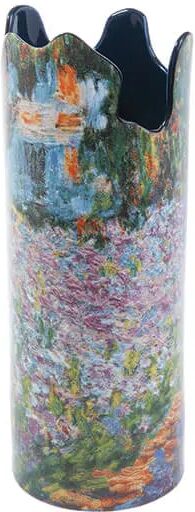
John Beswick Monet Irises in Garden VaseThe Monet Irises in Garden Vase brings a touch of artistic elegance to your living space, perfect for displaying fresh or dried flowers. Inspired by Monet’s iconic artwork, this vase makes a striking centrepiece for your home. Its graceful design enhances any room, adding colour and character whether used alone or filled with floral arrangements.55,00 £*Shipping: 0,00 £Secure redirect to the provider
-
Pan Macmillan Radical Candor by Kim Scott The Bestselling Leadership Book - Management, Feedback & Workplace Culture BookRadical Candor by Kim Scott is a groundbreaking leadership and communication guide that teaches how to give feedback effectively, build trust, and create high-performing teams without becoming harsh—or avoiding difficult conversations. Based on Scott’s experience at Google, Apple and Silicon Valley startups, Radical Candor introduces a simple but powerful framework built on two pillars: Care Personally Challenge Directly The book provides practical tools for giving honest feedback, fostering open communication, strengthening working relationships, and becoming a more compassionate and impactful leader. Perfect for managers, team leaders, HR professionals, and anyone wanting to build a healthy, productive workplace culture. Radical Candor is the perfect handbook for those who are looking to find meaning in their job and create an environment where people love both their work and their colleagues, and are motivated to strive to ever greater success.2,99 £*Shipping: 1,99 £Secure redirect to the provider



-
'Lower classifications of irises'
Lower classifications of irises refer to the different species, varieties, and cultivars within the Iris genus. These lower classifications help to categorize irises based on specific characteristics such as color, size, and growth habits. Some common lower classifications of irises include bearded irises, Siberian irises, and Japanese irises. Each of these classifications has its own unique features and requirements for care and cultivation. **
-
When are irises planted?
Irises are typically planted in late summer or early fall, around August to October, depending on the specific variety and location. This timing allows the irises to establish their roots before the winter months and ensures they will bloom in the spring or early summer. **
-
Which irises are these?
These irises appear to be bearded irises, which are characterized by the fuzzy "beard" on the lower petal of the flower. Bearded irises are a popular garden plant and come in a wide range of colors, including purple, white, yellow, and blue. They are known for their striking appearance and are often used in landscaping and flower arrangements. **
-
When can you transplant irises?
Irises can be transplanted in late summer to early fall, after they have finished blooming. This allows the plants to establish themselves in their new location before the winter months. **


Are irises good for bees, and if so, which species?
Irises are good for bees as they provide a good source of nectar and pollen. Bearded irises, in particular, are known to attract bees with their vibrant colors and sweet fragrance. Other species of irises, such as Dutch irises and Siberian irises, also attract bees and other pollinators to the garden. Overall, planting a variety of iris species can help support bee populations by providing them with a rich source of food. **
Why does a Thuja hedge die after over 30 years due to irises?
A Thuja hedge may die after over 30 years due to irises because the irises can compete with the Thuja for nutrients, water, and sunlight. As the irises grow and spread, they can create a dense root system that deprives the Thuja hedge of essential resources, leading to its decline and eventual death. Additionally, the shade created by the irises can also impact the Thuja's ability to photosynthesize and thrive. Regular maintenance and management of the irises, such as thinning them out and controlling their spread, can help prevent this competition and prolong the life of the Thuja hedge. **
Top-Angebote
Products related to Irises:
-
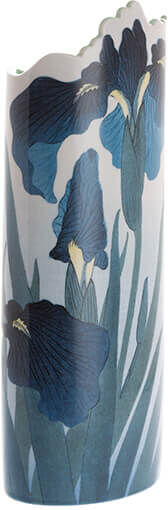
John Beswick Koson Irises VaseThe Koson Irises Vase brings a refined touch to any room, offering a stylish way to display your favourite flowers or enhance your décor. Perfect for adding character to your living space, this elegant vase complements both modern and classic interiors. Its versatile design makes it a lovely centrepiece for everyday use or special occasions.55,00 £*Shipping: 0,00 £Secure redirect to the provider
-
John Beswick Van Gogh Irises VaseThe Van Gogh Irises Vase brings a touch of artistic elegance to your home, inspired by the iconic Irises painting for a distinctive display piece. Showcasing a design influenced by Van Gogh’s celebrated artwork, this vase adds character and colour to any room. It’s perfect for displaying fresh flowers or as a striking decorative accent, helping you create a welcoming atmosphere with ease.55,00 £*Shipping: 0,00 £Secure redirect to the provider
-
John Beswick Monet Irises in Garden VaseThe Monet Irises in Garden Vase brings a touch of artistic elegance to your living space, perfect for displaying fresh or dried flowers. Inspired by Monet’s iconic artwork, this vase makes a striking centrepiece for your home. Its graceful design enhances any room, adding colour and character whether used alone or filled with floral arrangements.55,00 £*Shipping: 0,00 £Secure redirect to the provider
-
What are irises?
Irises are flowering plants that belong to the Iridaceae family. They are known for their showy, colorful flowers that come in a wide range of hues, including purple, blue, white, and yellow. Irises are popular garden plants due to their beauty and variety, and they are often used in landscaping and floral arrangements. **
-
Lower classifications of irises
Lower classifications of irises include the following categories: 1. Subgenus: This is a taxonomic rank below the genus level and is used to group species within a genus based on shared characteristics. 2. Section: This is a taxonomic rank below the subgenus level and is used to further classify species within a subgenus based on specific characteristics. 3. Series: This is a taxonomic rank below the section level and is used to group species within a section based on even more specific characteristics. 4. Subsection: This is a taxonomic rank below the series level and is used to further classify species within a series based on additional characteristics. Overall, these lower classifications help botanists and horticulturists organize and categorize the diverse range of iris species based on their unique traits and characteristics. **
-
'Lower classifications of irises'
Lower classifications of irises refer to the different species, varieties, and cultivars within the Iris genus. These lower classifications help to categorize irises based on specific characteristics such as color, size, and growth habits. Some common lower classifications of irises include bearded irises, Siberian irises, and Japanese irises. Each of these classifications has its own unique features and requirements for care and cultivation. **
-
When are irises planted?
Irises are typically planted in late summer or early fall, around August to October, depending on the specific variety and location. This timing allows the irises to establish their roots before the winter months and ensures they will bloom in the spring or early summer. **
Similar search terms for Irises
-
Pan Macmillan Radical Candor by Kim Scott The Bestselling Leadership Book - Management, Feedback & Workplace Culture BookRadical Candor by Kim Scott is a groundbreaking leadership and communication guide that teaches how to give feedback effectively, build trust, and create high-performing teams without becoming harsh—or avoiding difficult conversations. Based on Scott’s experience at Google, Apple and Silicon Valley startups, Radical Candor introduces a simple but powerful framework built on two pillars: Care Personally Challenge Directly The book provides practical tools for giving honest feedback, fostering open communication, strengthening working relationships, and becoming a more compassionate and impactful leader. Perfect for managers, team leaders, HR professionals, and anyone wanting to build a healthy, productive workplace culture. Radical Candor is the perfect handbook for those who are looking to find meaning in their job and create an environment where people love both their work and their colleagues, and are motivated to strive to ever greater success.2,99 £*Shipping: 1,99 £Secure redirect to the provider
-
Little Brown Book Group No Limits: Blow the Cap Off Your Capacity by John C. Maxwell – Personal Growth & Leadership Development GuideNo Limits: Blow the CAP Off Your Capacity Description We often treat the word capacity as if it were a natural law of limitation. Unfortunately; most of us are much more comfortable defining what we perceive is off limits rather than what's possible. Could it be that many people have allowed what they perceive as capacity to define them? Have they allowed their perception to limit their attitudes about their potential? In his newest book; John Maxwell identifies 17 core capacities. Some of these are abilities we all already possess; such as energy; creativity and leadership. Others are aspects of our lives controlled by our choices; like our attitudes; character; and intentionality. Maxwell examines each of these 17 capacities; and provides clear and actionable advice on how you can increase your potential in each. He will guide you on how to identify; grow; and apply your critical capacities to your daily life. Once you've blown the 'cap' off your capacities; you'll find yourself more successful--and fulfilled--in your daily life.5,99 £*Shipping: 2,99 £Secure redirect to the provider
-
Penguin/Pan Macmillan Designing Your Life, Radical Candor and Quiet 3 Books Collection Set Personal Development, Leadership, Career Success & Self ImprovementDesigning Your Life, Radical Candor and Quiet 3 Books Collection Set Designing Your Life by Bill Burnett & Dave Evans Stanford innovators Bill Burnett and Dave Evans show us how design thinking can help us create a life that is both meaningful and fulfilling, regardless of who and where we are, our careers and our age. Designing Your Life puts forward the idea that the same design thinking responsible for amazing technology, products and spaces can be used to build towards a better life and career by a design of your own making. Radical Candor by Kim Scott Radical Candor by Kim Scott is a groundbreaking leadership and communication guide that teaches how to give feedback effectively, build trust, and create high-performing teams without becoming harsh—or avoiding difficult conversations. Based on Scott’s experience at Google, Apple and Silicon Valley startups, Radical Candor introduces a simple but powerful framework built on two pillars: Care Personally Challenge Directly The book provides practical tools for giving honest feedback, fostering open communication, strengthening working relationships, and becoming a more compassionate and impactful leader. Quiet by Susan Cain Quiet, the Sunday Times and New York Times Bestseller by Susan Cain, will permanently change how we see introverts - and how you see yourself. Our lives are driven by a fact most of us cant name and dont understand: whether were an introvert or an extrovert. This defines who our friends and lovers are, which careers we choose, and whether we blush when were embarrassed. At least a third of us are on the introverted side. Some of the worlds most talented people are introverts. Without them, we wouldnt have the Apple computer, the theory of relativity and Van Goghs sunflowers.16,99 £*Shipping: 2,99 £Secure redirect to the provider
-
Which irises are these?
These irises appear to be bearded irises, which are characterized by the fuzzy "beard" on the lower petal of the flower. Bearded irises are a popular garden plant and come in a wide range of colors, including purple, white, yellow, and blue. They are known for their striking appearance and are often used in landscaping and flower arrangements. **
-
When can you transplant irises?
Irises can be transplanted in late summer to early fall, after they have finished blooming. This allows the plants to establish themselves in their new location before the winter months. **
-
Are irises good for bees, and if so, which species?
Irises are good for bees as they provide a good source of nectar and pollen. Bearded irises, in particular, are known to attract bees with their vibrant colors and sweet fragrance. Other species of irises, such as Dutch irises and Siberian irises, also attract bees and other pollinators to the garden. Overall, planting a variety of iris species can help support bee populations by providing them with a rich source of food. **
-
Why does a Thuja hedge die after over 30 years due to irises?
A Thuja hedge may die after over 30 years due to irises because the irises can compete with the Thuja for nutrients, water, and sunlight. As the irises grow and spread, they can create a dense root system that deprives the Thuja hedge of essential resources, leading to its decline and eventual death. Additionally, the shade created by the irises can also impact the Thuja's ability to photosynthesize and thrive. Regular maintenance and management of the irises, such as thinning them out and controlling their spread, can help prevent this competition and prolong the life of the Thuja hedge. **
* All prices are inclusive of VAT and, if applicable, plus shipping costs. The offer information is based on the details provided by the respective shop and is updated through automated processes. Real-time updates do not occur, so deviations can occur in individual cases. ** Note: Parts of this content were created by AI.